
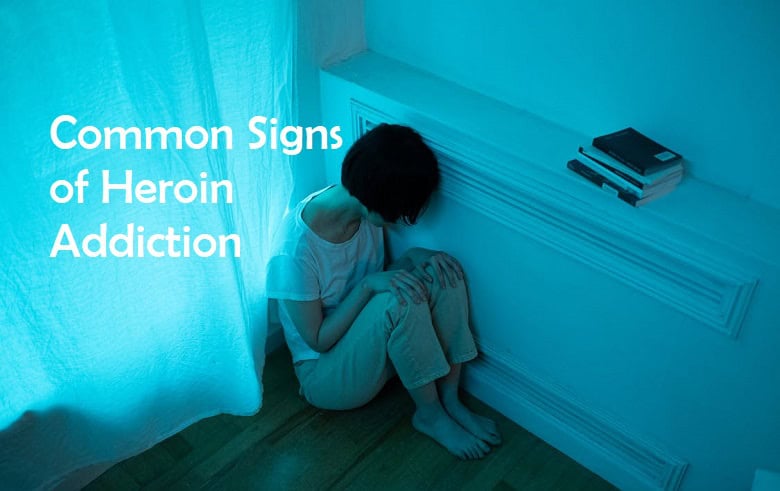
 Heroin addiction can develop gradually, affecting a person’s health, relationships, emotional well-being, and ability to manage everyday responsibilities. What may begin as occasional substance use can become a pattern that feels increasingly difficult to control. Recognizing the warning signs of heroin addiction is an important first step toward getting help. With compassionate professional treatment, individuals can address the physical and emotional effects of addiction, understand the factors contributing to substance use, and begin building a healthier future. Knowing when to seek support can make a meaningful difference for both the person experiencing addiction and the loved ones who care about them.
Understanding the Early Warning Signs of Heroin Addiction
Heroin addiction does not look the same for everyone. Some people show noticeable changes in their behavior, while others work hard to hide their substance use. However, certain patterns may indicate that heroin use is becoming a serious concern.
Recognizing these signs early can help individuals and families seek appropriate support before the consequences become more severe.
Physical Signs to Watch For
Heroin affects the central nervous system and can cause changes in physical health and daily functioning. Depending on the frequency of use and the person’s overall health, possible warning signs include:
- Unusual drowsiness or periods of reduced alertness.
- Constricted pupils or changes in appearance.
- Nausea, itching, or frequent digestive discomfort.
- Changes in sleep patterns or appetite.
- Neglect of personal hygiene and general health.
- Unexplained weight changes or declining physical well-being.
- Visible marks associated with injection drug use, if applicable.
These symptoms do not automatically mean someone is using heroin. Other medical conditions can produce similar changes. However, a combination of physical symptoms and other concerning behaviors may indicate that a professional assessment is needed.
Behavioral and Emotional Changes
The effects of heroin addiction often extend beyond physical health. A person may begin to act differently, withdraw from others, or struggle to maintain responsibilities that were once manageable.
Common behavioral warning signs include:
- Losing interest in hobbies and activities.
- Avoiding family members or close friends.
- Missing work, school, or important appointments.
- Experiencing financial difficulties without a clear explanation.
- Becoming secretive about daily activities or social contacts.
- Continuing to use heroin despite serious personal consequences.
- Spending increasing amounts of time obtaining, using, or recovering from the drug.
Emotional changes may also occur. Someone may seem anxious, irritable, depressed, or unusually withdrawn. They may make repeated promises to stop using heroin but struggle to follow through.
Instead of interpreting these behaviors as a lack of discipline or concern for others, it is more helpful to recognize that addiction can affect decision-making, motivation, and the ability to control substance use. Compassionate support can open the door to meaningful change.
When Does Heroin Use Become an Addiction?
One important warning sign is the loss of control over substance use. A person may intend to use heroin less frequently but find themselves returning to it despite their best efforts.
Heroin addiction, also called opioid use disorder when it meets the relevant clinical criteria, can involve powerful cravings, physical dependence, and continued use despite harmful consequences.
Recognizing Dependence and Withdrawal
With repeated heroin use, the body can adapt to the drug. As a result, a person may experience withdrawal symptoms when they reduce or stop using it. Symptoms can include muscle aches, sweating, restlessness, anxiety, nausea, diarrhea, and difficulty sleeping.
Fear of withdrawal can make it harder to stop using heroin without professional assistance. Some individuals continue using the drug primarily to avoid feeling sick, even when they genuinely want to recover.
If withdrawal is a concern, seek medical guidance rather than attempting to manage the situation alone. A qualified healthcare professional can assess the person’s needs and discuss appropriate treatment options, including medications for opioid use disorder when indicated.
Heroin use also carries a serious risk of overdose. An overdose may involve slow or absent breathing, an inability to wake the person, or blue, gray, or unusually pale lips or skin. If an overdose is suspected, call local emergency services immediately and administer naloxone if available, following its instructions. Do not leave the person alone.
How Heroin Addiction Can Affect Mental Health
Mental health concerns and heroin addiction frequently influence one another. Some people begin using opioids to cope with emotional pain, trauma, anxiety, or depression. Over time, substance use can worsen existing difficulties and create additional stress.
Understanding this connection is essential when deciding what kind of treatment may be most helpful.
The Connection Between Addiction, Anxiety, and Depression
A person struggling with heroin addiction may experience persistent sadness, feelings of hopelessness, anxiety, or difficulty managing stress. They may also feel shame about their substance use or worry about the impact it has had on their family.
These emotions can create a difficult cycle. Emotional distress may increase cravings, while the consequences of heroin use may deepen feelings of isolation or despair.
Effective treatment should therefore consider both substance use and mental health. Individual counseling, appropriate psychiatric care, and practical coping strategies can help individuals understand their emotional triggers and develop healthier responses to difficult situations.
When trauma or another mental health condition is present, addressing it as part of the treatment plan can help ensure that important recovery needs are not overlooked.
When Should You Seek Professional Treatment for Heroin Addiction?
There is no need to wait until addiction has damaged every part of a person’s life before asking for help. Early support can help individuals understand their options, reduce risks, and begin addressing the reasons behind their substance use.
Professional treatment is particularly important when someone:
- Cannot stop using heroin despite repeated attempts.
- Experiences cravings that interfere with everyday responsibilities.
- Continues using despite health, financial, or relationship problems.
- Develops withdrawal symptoms when attempting to stop.
- Uses heroin to cope with emotional distress or mental health symptoms.
- Has experienced an overdose or engages in increasingly risky substance use.
- Needs support to remain safe and stable while beginning recovery.
An overdose requires immediate emergency care. Other warning signs also deserve prompt attention, even when the person appears to be functioning normally.
If you are concerned about a loved one, approach the conversation privately and calmly. Explain the changes you have noticed, express concern without judgment, and offer to help them explore treatment options. Avoid threats or arguments that may make the person feel more isolated. You can encourage treatment while maintaining healthy boundaries to protect your own well-being.
Finding the Right Heroin Addiction Treatment Program
Every person’s circumstances are different. The right treatment plan depends on factors such as the severity of substance use, physical health, mental health needs, home environment, and previous treatment experiences.
A professional assessment can help determine which level of care is most appropriate.
Inpatient and Residential Treatment
Inpatient or residential treatment offers a structured environment where individuals can focus on recovery with consistent professional support. Depending on the program, care may include medical assessment, counseling, group therapy, mental health services, and relapse prevention planning.
This setting may be appropriate for individuals who need a higher level of supervision, have significant clinical needs, or face challenges that make recovery difficult in their current environment.
For some people, time away from familiar triggers provides an opportunity to establish healthier routines and concentrate on the underlying factors contributing to addiction.
Outpatient Treatment and Ongoing Support
Outpatient treatment allows individuals to receive professional care while living at home. Depending on the program, services may include individual therapy, group counseling, recovery education, and support for co-occurring mental health conditions.
Outpatient care may suit people whose needs can be managed safely outside a residential setting and who have access to a supportive environment. Some individuals also transition to outpatient services after completing a more intensive program.
The most suitable option should be determined with qualified professionals. There is no single treatment approach that works for everyone, and care plans may change as recovery progresses.
How Personalized and Holistic Care Can Support Recovery
Treating heroin addiction effectively means looking beyond the substance itself. Personalized care considers the individual’s history, goals, emotional needs, personal values, and circumstances.
A tailored treatment plan may combine evidence-based addiction services with mental health treatment, practical recovery skills, and additional approaches that support overall well-being.
Building Healthier Habits and Coping Skills
Holistic approaches can complement clinical treatment by encouraging healthier routines and giving individuals more ways to manage stress. Depending on personal needs, these approaches may include:
- Improving nutrition and establishing regular meals.
- Developing a consistent sleep routine.
- Incorporating suitable physical activity.
- Practicing mindfulness, meditation, or relaxation techniques.
- Exploring creative activities such as music, art, or journaling.
- Strengthening healthy relationships and social connections.
These practices are not substitutes for professional addiction treatment. Instead, they can support recovery by helping individuals rebuild daily structure and reconnect with activities that bring satisfaction and purpose.
For people who value spirituality, faith-based support may also provide encouragement, community, and a sense of direction. Spiritual care should respect personal beliefs and complement appropriate medical and psychological treatment.
Preparing for Long-Term Recovery
Recovery continues well beyond the first days or weeks of treatment. Ongoing support helps individuals respond to triggers, manage cravings, rebuild relationships, and navigate stressful situations without returning to harmful patterns.
A practical continuing care plan may include regular counseling, peer support, follow-up appointments, healthy daily routines, and a clear plan for seeking help if difficulties arise.
A return to substance use does not mean recovery is impossible. It is an important reason to reconnect with treatment professionals, review the current plan, and identify any additional support that may be needed.
Take the First Step Toward Recovery
Recognizing the warning signs of heroin addiction can help individuals and families act before the situation becomes even more difficult. Physical changes, emotional distress, secrecy, withdrawal symptoms, and growing problems at work or home may all signal a need for professional support.
Most importantly, addiction is not a personal failure, and no one should have to face it alone. With appropriate treatment, mental health support, and an individualized recovery plan, people can work toward improved health, stronger relationships, and greater stability.
If you recognize these warning signs in yourself or someone you love, consider reaching out to a qualified addiction treatment provider. Ask about available services, including inpatient and outpatient care, mental health treatment, and ongoing recovery support. Taking that first step may feel difficult, but it can begin a path toward a safer and healthier future.