
The journey to wellness and recovery, particularly for those overcoming addiction or mental health challenges, is multifaceted and deeply personal. Traditional methods of treatment such as therapy, medication, and support groups remain vital, but an increasing number of innovative approaches are emerging, offering holistic and personalized paths to healing. These new methods integrate physical, emotional, mental, and spiritual aspects, providing comprehensive support for individuals striving for recovery.
Mindfulness-Based Stress Reduction (MBSR)
Mindfulness-Based Stress Reduction (MBSR) is a structured program that combines mindfulness meditation and yoga. Developed by Jon Kabat-Zinn, MBSR teaches participants to cultivate awareness and presence in the moment. This practice helps individuals manage stress, anxiety, and depression, which are often underlying issues in addiction and mental health disorders. By focusing on the present, participants learn to observe their thoughts and emotions without judgment, reducing the impact of negative thinking patterns and promoting emotional resilience.
Art and Music Therapy
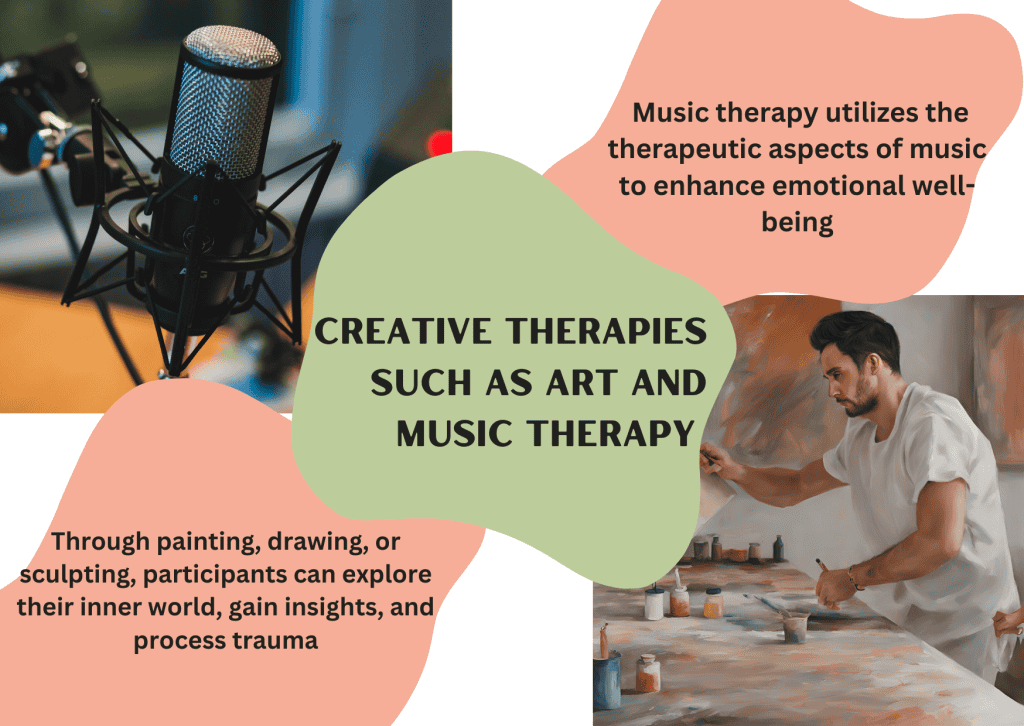
Creative therapies such as art and music therapy have gained popularity as effective tools for recovery. Art therapy allows individuals to express emotions and experiences that may be difficult to articulate verbally. Through painting, drawing, or sculpting, participants can explore their inner world, gain insights, and process trauma. Similarly, music therapy utilizes the therapeutic aspects of music to enhance emotional well-being. Listening to, creating, or performing music can reduce stress, improve mood, and foster a sense of connection and purpose.
Equine-Assisted Therapy
Equine-assisted therapy involves interactions with horses to promote emotional and psychological healing. Working with horses requires individuals to be present and focused, fostering mindfulness and reducing anxiety. The non-judgmental and responsive nature of horses helps individuals develop trust, empathy, and self-awareness. This therapy is particularly effective for those with a history of trauma, as it provides a safe space to explore emotions and build healthy relationships.
Virtual Reality Therapy
Virtual Reality (VR) therapy is an emerging technology that offers immersive experiences for therapeutic purposes. In VR therapy, individuals can confront and process traumatic memories in a controlled and safe environment. For those with phobias or anxiety disorders, VR can simulate real-life scenarios, allowing participants to practice coping strategies and build confidence. VR therapy is also being used to treat addiction by exposing individuals to triggers and teaching them to manage cravings effectively.
Nutritional Therapy
The role of nutrition in mental health and recovery is increasingly recognized. Nutritional therapy focuses on restoring physical health through a balanced diet, addressing deficiencies, and promoting overall well-being. Proper nutrition supports brain function, stabilizes mood, and enhances energy levels, all of which are crucial for recovery. Personalized nutritional plans can help individuals understand the connection between diet and mental health, empowering them to make informed choices that support their healing journey.
Adventure Therapy
Adventure therapy combines physical activity with therapeutic practices in outdoor settings. Activities such as hiking, rock climbing, and canoeing challenge individuals physically and mentally, fostering resilience, self-confidence, and teamwork. Being in nature has inherent healing properties, reducing stress and promoting a sense of calm. Adventure therapy encourages participants to step out of their comfort zones, build trust, and develop problem-solving skills, all of which are valuable for recovery.
Innovative approaches to wellness and recovery are transforming the landscape of treatment, offering holistic and personalized options that address the diverse needs of individuals. Mindfulness-based practices, creative therapies, equine-assisted therapy, virtual reality, nutritional therapy, and adventure therapy provide comprehensive support, promoting healing on multiple levels. By integrating these innovative methods into traditional treatment plans, individuals can access a wider range of tools and strategies, enhancing their journey towards lasting wellness and recovery. As the understanding of wellness evolves, these innovative approaches will continue to play a crucial role in helping individuals achieve and maintain their well-being.