From Isolation to Support: Building Healthy Connections During Your Recovery Journey

Recovery from addiction can feel like a lonely path. Many individuals struggle with isolation, shame, and the emotional weight of substance use disorders. At Alternative Recovery Center, we understand that healing is not just about abstaining from substances. It is about rebuilding connections, fostering trust, and creating a supportive network that promotes lasting recovery. Building healthy connections is an essential part of the journey, helping clients develop emotional resilience, accountability, and a renewed sense of purpose.

Why Connections Matter in Recovery

The Role of Social Support

Isolation can worsen the challenges of addiction. Without supportive relationships, feelings of loneliness and despair can trigger cravings, relapse, or emotional setbacks. Social support plays a crucial role in maintaining motivation, improving mental health, and reinforcing positive behaviors.

Healthy connections provide guidance, encouragement, and accountability. Whether it is through family, peers in recovery, or professional support, relationships act as anchors during difficult moments and milestones alike.

The Link Between Mental Health and Recovery

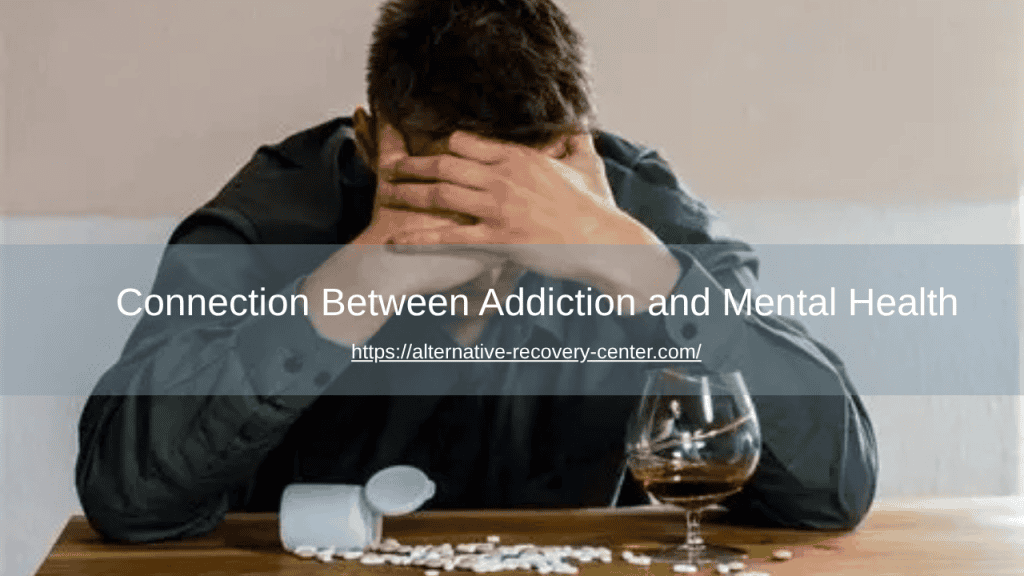
Many individuals entering recovery also face mental health challenges such as anxiety, depression, or trauma. These issues can make it even harder to reach out and form meaningful connections. Alternative Recovery Center recognizes the importance of addressing mental health alongside addiction. By integrating therapy and emotional support, clients are better equipped to engage with others, express emotions, and rebuild trust.

How Alternative Recovery Center Helps Clients Build Healthy Connections

Inpatient and Outpatient Programs That Encourage Community

Alternative Recovery Center offers both inpatient and outpatient programs designed to foster connection. Inpatient care provides a structured environment where clients interact daily with peers and professionals, creating a sense of community from the start. Outpatient programs continue this support while allowing clients to maintain responsibilities at home or work. Both options emphasize consistent interaction, collaboration, and shared learning experiences.

Group Therapy and Peer Support

Group therapy is a cornerstone of building healthy connections. Clients share experiences, challenges, and successes in a safe and moderated environment. Peer support allows individuals to see that they are not alone and helps normalize feelings often associated with addiction. These connections also create accountability, helping clients stay committed to their recovery goals.

Holistic and Faith Based Approaches

Alternative Recovery Center incorporates holistic practices that enhance social engagement. Mindfulness exercises, meditation, and creative therapies encourage self expression and connection with others. For clients who value spirituality, faith based support provides shared purpose and encouragement, further strengthening social bonds.

Practical Strategies for Building Connections During Recovery

Start Small and Set Boundaries

Rebuilding social connections can feel overwhelming. Start with small, manageable interactions. Attend group sessions, join peer support meetings, or engage in therapeutic activities that encourage collaboration. Setting healthy boundaries ensures interactions are positive and supportive rather than stressful.

Seek Professional Guidance

Therapists and counselors can guide clients in developing communication skills, rebuilding trust, and managing interpersonal challenges. This professional support is invaluable in creating meaningful and lasting connections.

Nurture Relationships Outside Treatment

Recovery extends beyond the center. Reconnecting with family, friends, or community groups helps maintain support networks. Consistent, intentional engagement strengthens bonds and reinforces a healthy, substance free lifestyle.

The Benefits of Healthy Connections

Building strong, supportive relationships during recovery enhances emotional stability, reduces the risk of relapse, and fosters personal growth. Clients who feel connected and supported report higher levels of confidence, resilience, and life satisfaction. These connections serve as a foundation for sustained recovery and meaningful, fulfilling living.

Taking the Next Step

Recovery does not have to be a journey walked alone. At Alternative Recovery Center, compassionate professionals guide clients in developing healthy connections while addressing the full spectrum of addiction and mental health needs. If you or a loved one are struggling, reaching out today can open the door to support, guidance, and lasting recovery.

Healthy connections are not only possible but essential. Begin your recovery journey with a team that prioritizes your wellbeing, fosters meaningful relationships, and helps you build a strong foundation for life beyond addiction.

A Compassion First Approach: What Makes Alternative Recovery Center’s Personalized Plans Effective

Addiction recovery is not a one size fits all process. Each person’s journey is unique, shaped by their experiences, mental health, and personal goals. At Alternative Recovery Center, the foundation of effective treatment lies in compassion and personalization. By putting the individual at the center of care, the center ensures that every client receives support that addresses not only their substance use but also the underlying mental health and emotional challenges that often accompany it. This compassion first approach is what makes their personalized plans both effective and life changing.

Understanding Personalized Recovery Plans

Why Individualized Care Matters

Many treatment programs rely on standardized approaches that may not meet the needs of every client. Alternative Recovery Center takes a different path by creating personalized plans that reflect each person’s history, strengths, and recovery goals. This approach ensures that treatment is relevant, meaningful, and effective.

Personalized care recognizes that addiction is rarely isolated from mental health conditions. Anxiety, depression, and trauma often play a significant role in substance use. By addressing these factors alongside addiction, clients receive comprehensive support that enhances long term recovery outcomes.

Assessing the Whole Person

Before designing a treatment plan, Alternative Recovery Center conducts a thorough assessment of each client’s physical health, mental health, and social environment. This evaluation includes understanding the client’s substance use history, emotional triggers, coping skills, and personal values. The goal is to see the individual as a whole rather than focusing solely on addiction symptoms.

Key Components of Effective Personalized Plans

Integrated Mental Health and Addiction Treatment

Clients benefit most when addiction and mental health are treated together. Alternative Recovery Center uses integrated approaches to ensure both aspects of a person’s wellbeing are addressed. Therapies may include individual counseling, group therapy, cognitive behavioral therapy, and trauma informed care. By combining evidence based methods, clients can develop coping strategies and resilience that last beyond the treatment period.

Flexibility in Care Levels

Personalized plans include the option of inpatient or outpatient care depending on the client’s needs. Inpatient programs provide structured support during the critical early stages of recovery. Outpatient programs allow clients to continue treatment while maintaining responsibilities such as work or family care. Both options maintain a focus on individualized goals, ensuring clients receive support at the level that suits them best.

Holistic and Faith Based Support

Alternative Recovery Center emphasizes holistic healing, offering practices that promote balance in mind, body, and spirit. Activities such as mindfulness, meditation, fitness, and creative therapies complement traditional therapy and medical care. For clients who desire faith based support, spiritual guidance is available to provide meaning, hope, and encouragement throughout recovery.

The Benefits of a Compassion First Approach

Enhanced Engagement and Motivation

When clients feel understood and supported, they are more likely to engage fully in treatment. Compassion first care helps build trust between clients and clinicians, creating an environment where individuals feel safe to explore difficult emotions and challenges.

Improved Recovery Outcomes

Personalized treatment plans address the unique needs of each client, increasing the likelihood of sustained recovery. By targeting both addiction and underlying mental health conditions, clients develop the skills and insight necessary to prevent relapse and maintain long term wellness.

A Supportive Path to Lasting Change

A compassion first approach ensures that recovery is not only about abstinence but about building a meaningful, fulfilling life. Clients are guided to develop healthier habits, stronger emotional resilience, and renewed purpose.

Taking the Next Step

Recovery is a deeply personal journey that requires support, understanding, and individualized care. Alternative Recovery Center’s personalized treatment plans offer a structured, compassionate approach that addresses the whole person, not just the addiction. If you or a loved one is seeking help, reaching out to learn more about these tailored programs can be the first step toward lasting healing and a brighter future.

Personalized care combined with compassion creates the foundation for recovery that truly lasts. Contact Alternative Recovery Center today to begin a recovery plan designed just for you.

How Integrated Dual Diagnosis Treatment Supports Lasting Recovery at Alternative Recovery Center

Recovery from addiction is rarely just about stopping substance use. For many individuals, addiction is deeply connected to mental health challenges such as anxiety, depression, trauma, or mood disorders. At Alternative Recovery Center, healing begins by recognizing the full picture of a person’s experience. Integrated dual diagnosis treatment is designed to address both substance use and mental health conditions together, creating a stronger foundation for lasting recovery.

When addiction and mental health are treated as separate issues, gaps in care can leave people vulnerable to relapse. By combining services in a coordinated, compassionate way, Alternative Recovery Center helps clients build stability, insight, and resilience that support long term healing.

Understanding Dual Diagnosis and Why It Matters

What Is Dual Diagnosis Treatment

Dual diagnosis refers to the presence of both a substance use disorder and a co occurring mental health condition. These challenges often influence one another. Substance use may begin as a way to cope with emotional pain, while prolonged use can worsen mental health symptoms over time.

Integrated dual diagnosis treatment means both conditions are addressed at the same time by a unified clinical team. Rather than focusing on one issue while postponing the other, this approach treats the whole person from the start.

The Risks of Treating Addiction Alone

When mental health concerns are not properly addressed, recovery can feel incomplete. Symptoms like anxiety, depression, or unresolved trauma may continue to drive cravings and emotional distress. This can make it harder to stay engaged in recovery and increase the risk of relapse.

By addressing mental health and addiction together, clients gain healthier coping tools and a deeper understanding of their behaviors and emotions.

How Alternative Recovery Center Integrates Care

A Personalized and Individualized Treatment Model

No two recovery journeys are the same. Alternative Recovery Center emphasizes individualized treatment planning that reflects each client’s history, beliefs, and goals. Clinical assessments consider substance use patterns, mental health needs, physical wellness, and personal values.

Treatment plans are adjusted as clients progress, ensuring care remains relevant and supportive at every stage.

Inpatient and Outpatient Options That Support Healing

Alternative Recovery Center offers both inpatient and outpatient care, allowing clients to receive the right level of support for their situation. Inpatient treatment provides a structured environment with round the clock care, which can be especially helpful during early recovery.

Outpatient programs offer flexibility for individuals who need continued support while balancing work, family, or other responsibilities. Both levels of care maintain a strong focus on integrated mental health and addiction treatment.

Evidence Based Therapy Combined With Holistic Practices

Integrated dual diagnosis treatment at Alternative Recovery Center blends evidence based therapies with holistic approaches that support the mind, body, and spirit. Clients may engage in individual counseling, group therapy, and mental health focused interventions while also exploring wellness practices that encourage balance and self awareness.

This whole person approach helps clients reconnect with themselves and develop healthier routines that extend beyond treatment.

Faith Based Support for Those Who Seek It

For individuals who value spirituality as part of their recovery, faith based elements can provide comfort, meaning, and direction. Alternative Recovery Center respects each client’s beliefs and offers faith centered support as part of an individualized plan when desired.

Spiritual care is never forced. Instead, it is integrated thoughtfully for those who find strength and hope through faith.

The Benefits of Integrated Dual Diagnosis Treatment

Improved Emotional Stability

Addressing mental health conditions alongside addiction helps reduce emotional distress and improve daily functioning. Clients learn how to manage symptoms in healthier ways, which supports confidence and emotional balance.

Stronger Relapse Prevention Skills

When underlying mental health triggers are understood and treated, clients are better equipped to handle stress and cravings. Integrated care provides practical tools that strengthen relapse prevention and long term recovery.

A Clearer Path Toward Long Term Recovery

Recovery is not just about abstinence. It is about building a life that feels meaningful and sustainable. Integrated dual diagnosis treatment helps clients develop insight, self compassion, and life skills that support lasting change.

Taking the Next Step Toward Healing

If you or a loved one is struggling with both addiction and mental health challenges, you are not alone. Integrated dual diagnosis treatment offers a path forward that honors the complexity of recovery while providing real, practical support.

At Alternative Recovery Center, compassionate professionals are dedicated to helping individuals heal fully through personalized, integrated care. Reaching out can feel overwhelming, but it is often the most important step toward lasting recovery. Contact Alternative Recovery Center today to learn how integrated dual diagnosis treatment can support a healthier, more hopeful future.

What to Look for in a Rehab Center: Insights from Alternative Recovery Center’s Comprehensive Model

Choosing a rehab center is one of the most important decisions a person or family can make when facing addiction. The right program can create the foundation for lasting recovery, while the wrong fit can leave underlying issues unresolved. At Alternative Recovery Center, treatment is built around a comprehensive, whole person model that addresses addiction, mental health, and long term wellness. Understanding what to look for in a rehab center can help you make a confident, informed choice that supports true healing.

A Treatment Approach That Goes Beyond Sobriety

Whole Person Care, Not Just Symptom Management

Addiction affects every area of life, including physical health, emotional wellbeing, relationships, and spiritual connection. A quality rehab center should recognize this complexity. At Alternative Recovery Center, treatment focuses on healing the body, mind, and spirit together, rather than simply stopping substance use. This integrated approach helps clients address root causes of addiction and build a stronger foundation for recovery.

Evidence Based and Holistic Therapies Working Together

Effective rehab programs combine proven clinical therapies with supportive holistic practices. Alternative Recovery Center offers evidence based treatments alongside holistic services that promote balance and self awareness. This combination supports emotional regulation, stress management, and personal growth, which are essential for long term recovery.

Individualized Treatment That Fits Your Needs

Personalized Recovery Plans

No two recovery journeys are the same. A strong rehab center will create an individualized treatment plan based on personal history, substance use patterns, mental health needs, and life circumstances. At Alternative Recovery Center, each client receives a customized plan that evolves as they progress through treatment. This ensures care remains relevant, supportive, and effective at every stage.

Dual Diagnosis Mental Health Support

Many individuals struggling with addiction also face mental health challenges such as anxiety, depression, trauma, or mood disorders. Treating addiction without addressing mental health often leads to relapse. Alternative Recovery Center specializes in dual diagnosis care, providing integrated treatment for both substance use and mental health conditions. This approach helps clients develop healthier coping skills and emotional stability.

Inpatient and Outpatient Options for Flexible Care

Structured Inpatient Treatment

For those who need a highly supportive environment, inpatient treatment offers structure, accountability, and round the clock care. Alternative Recovery Center provides inpatient programs designed to help clients focus fully on recovery while receiving medical supervision, therapy, and holistic support.

Outpatient Programs That Support Real Life Balance

Not everyone can step away from daily responsibilities for extended inpatient care. A quality rehab center should offer outpatient options that provide flexibility without sacrificing clinical quality. Alternative Recovery Center offers outpatient programs that allow clients to continue work or family commitments while receiving consistent therapeutic support.

Faith Based and Values Centered Support

Healing That Aligns With Personal Beliefs

For many people, faith and spirituality play an important role in recovery. Alternative Recovery Center offers faith based support as part of its holistic model, helping clients reconnect with purpose, values, and hope. Participation is respectful and client centered, allowing individuals to explore spiritual growth at their own comfort level.

Building Inner Strength and Resilience

Faith based and values driven care can strengthen motivation, accountability, and emotional resilience. When combined with clinical treatment, it supports deeper personal transformation and a stronger commitment to long term recovery.

Ongoing Support and Aftercare Planning

Recovery Does Not End at Discharge

A strong rehab center prepares clients for life after treatment. Alternative Recovery Center emphasizes aftercare planning, relapse prevention strategies, and continued support to help clients navigate real world challenges. This ongoing connection reinforces progress and helps prevent setbacks.

Community and Long Term Success

Support networks are essential for lasting recovery. Through continued care planning and alumni connections, Alternative Recovery Center encourages clients to stay engaged, supported, and accountable as they build a healthier future.

Conclusion

Finding the right rehab center means looking beyond surface features and focusing on the quality of care, personalization, and long term support offered. Alternative Recovery Center’s comprehensive model brings together addiction treatment, mental health care, holistic healing, and faith based support to address the whole person, not just the addiction.

If you or someone you love is seeking a rehab center that truly understands the complexities of recovery, Alternative Recovery Center is here to help. Reach out today to learn how a compassionate, individualized approach can guide you toward lasting healing and a renewed sense of purpose.

The Body, The Mind, The Spirit: How Alternative Recovery Center Covers All Three in Recovery

Recovery from addiction is a journey that touches every aspect of life. True healing is not only about achieving sobriety but also about restoring balance to the body, mind, and spirit. At Alternative Recovery Center (ARC), this holistic perspective guides every program, combining evidence-based treatments with faith-based and individualized care. By addressing the whole person, ARC empowers clients to build sustainable recovery, strengthen emotional resilience, and reconnect with their sense of purpose.

Healing the Body: Physical Wellness in Recovery

Detoxification and Medical Supervision

Addiction often takes a toll on the body, affecting organs, nutrition, and overall health. ARC’s programs begin with medically supervised detoxification when necessary, ensuring that clients safely navigate withdrawal while receiving comprehensive medical care. This foundation helps restore physical health and prepares clients for the next stages of recovery.

Nutrition, Exercise, and Holistic Practices

Beyond detox, ARC emphasizes physical wellness through nutrition counseling, exercise programs, and holistic therapies such as yoga and breathwork. These practices not only support the body but also reduce stress, improve mood, and enhance energy levels. Clients learn to cultivate healthy routines that reinforce recovery and promote long-term vitality.

Strengthening the Mind: Mental and Emotional Resilience

Evidence-Based Therapy

Mental health is a core focus at ARC. Many individuals in recovery face co-occurring conditions such as anxiety, depression, or trauma. ARC provides dual diagnosis treatment, integrating therapy for both addiction and mental health challenges. Cognitive behavioral therapy (CBT), dialectical behavior therapy (DBT), and trauma-informed care help clients develop practical coping strategies and emotional regulation skills.

Individualized Mental Health Support

No two recovery journeys are alike. ARC tailors each program to the individual’s unique history, challenges, and goals. Personalized therapy sessions, group counseling, and life skills coaching ensure that clients receive the support they need to overcome obstacles, build confidence, and maintain long-term recovery.

Nourishing the Spirit: Faith and Purpose in Recovery

Spiritual Guidance and Faith-Based Programs

Many clients find strength and motivation through spiritual support. ARC offers optional faith-based programming, including spiritual counseling, reflection practices, and guidance in reconnecting with purpose and meaning. These programs help clients develop inner strength, hope, and resilience, which complement clinical and holistic care.

Mindfulness and Emotional Awareness

In addition to faith-based practices, mindfulness and meditation are key components of spiritual wellness at ARC. These practices foster self-awareness, reduce stress, and cultivate a sense of peace, helping clients manage cravings and navigate the emotional challenges of recovery.

Integrating Body, Mind, and Spirit

A Comprehensive Approach to Recovery

The integration of physical, mental, and spiritual care sets ARC apart. Clients do not simply attend therapy sessions; they engage in a full spectrum of healing activities that promote balance and personal growth. This holistic approach addresses the root causes of addiction and equips clients with the tools needed to sustain long-term wellness.

Aftercare and Ongoing Support

Recovery is an ongoing process. ARC provides structured aftercare, alumni support, and relapse prevention resources to help clients maintain progress in real-life settings. By continuing to nurture body, mind, and spirit beyond the program, clients can face daily challenges with confidence and resilience.

Conclusion

At Alternative Recovery Center, recovery is more than just stopping substance use. It is about restoring harmony to the body, strengthening the mind, and nurturing the spirit. Through individualized treatment, evidence-based therapy, holistic practices, and faith-based support, ARC empowers clients to build lasting recovery and reclaim their lives.

If you or a loved one are ready to embrace comprehensive healing and achieve sustainable sobriety, reach out to ARC today and begin a journey toward balance, resilience, and renewed purpose.

Rebuilding Your Life After Addiction: ARC’s Individualized Support and Aftercare Strategies

Recovery from addiction is more than simply achieving sobriety. True transformation involves rebuilding your life, restoring relationships, and creating sustainable routines that support long-term wellness. At Alternative Recovery Center (ARC), this journey is guided by individualized support and comprehensive aftercare strategies designed to empower clients every step of the way. By addressing physical, emotional, and spiritual needs, ARC ensures that recovery is not just a short-term solution but a lasting lifestyle change.

Individualized Support: Meeting Clients Where They Are

Personalized Treatment Plans

Every client enters recovery with a unique story, challenges, and goals. ARC’s approach begins with a thorough assessment of an individual’s addiction history, mental health, and personal circumstances. Based on this evaluation, clinicians develop a personalized treatment plan that combines evidence-based therapies, holistic practices, and faith-based options when appropriate. This tailored approach allows clients to engage in care that is meaningful, effective, and sustainable.

Integrating Mental Health and Addiction Care

Many individuals struggling with addiction also face mental health challenges such as anxiety, depression, or trauma. ARC’s dual diagnosis programs ensure that both addiction and mental health are treated simultaneously. By addressing these interconnected issues, clients build stronger coping mechanisms, reduce the risk of relapse, and establish a foundation for long-term emotional stability.

Holistic and Faith-Based Therapies

Healing the Mind, Body, and Spirit

ARC goes beyond traditional therapy by incorporating holistic practices that support overall well-being. Mindfulness meditation, yoga, nutritional guidance, and creative therapies help clients reconnect with their bodies and emotions. These strategies promote stress management, emotional resilience, and healthy lifestyle habits, all of which are crucial for maintaining sobriety.

Spiritual Support

For those who desire spiritual guidance, ARC offers faith-based support as part of the recovery process. Activities like spiritual counseling and reflective practices provide hope, purpose, and motivation, enhancing the overall healing journey and complementing clinical interventions.

Aftercare Strategies: Sustaining Recovery

Transitioning Back to Daily Life

Recovery does not end when a formal program concludes. ARC emphasizes structured aftercare planning to help clients navigate the challenges of returning to daily life. Aftercare may include continued therapy sessions, support groups, and educational workshops that reinforce skills learned during treatment.

Building a Support Network

Long-term success relies on ongoing support. ARC encourages connection with peers, family, and alumni networks to foster accountability, encouragement, and community. These relationships provide guidance and reassurance, helping clients maintain focus and resilience as they rebuild their lives.

Practical Tools for Daily Success

Clients are also equipped with practical strategies for managing stress, handling triggers, and maintaining healthy routines. Life skills coaching, relapse prevention education, and mindfulness practices empower individuals to face challenges confidently and sustain their recovery over time.

Conclusion

Rebuilding life after addiction requires more than short-term treatment. It demands compassionate, individualized support, holistic care, and robust aftercare strategies. Alternative Recovery Center offers a comprehensive approach that addresses mental health, addiction, and overall well-being, helping clients not only achieve sobriety but also thrive in every aspect of their lives.

If you or a loved one is ready to take the next step toward recovery and lasting transformation, reach out to ARC today. Their expert team provides the guidance, support, and tools needed to rebuild your life with confidence, balance, and hope.

From Dual Diagnosis to Daily Resilience: How Alternative Recovery Center Supports Mental Health and Addiction

Recovering from addiction is rarely a simple journey. Many individuals face not only substance use disorders but also co-occurring mental health challenges such as anxiety, depression, or trauma. Recognizing this, the Alternative Recovery Center (ARC) has developed a holistic and integrated approach that addresses both addiction and mental health simultaneously. By combining clinical expertise, personalized care, and holistic therapies, ARC helps clients build resilience, regain control, and achieve lasting recovery.

Understanding Dual Diagnosis

What is Dual Diagnosis?

Dual diagnosis refers to the presence of both a substance use disorder and a mental health condition. Treating one without the other often leads to incomplete recovery or relapse. ARC’s team understands that addiction and mental health are deeply intertwined, and successful treatment must consider both simultaneously.

Why Integrated Care Matters

When mental health issues are left unaddressed, cravings, stress, and emotional instability can trigger relapse. ARC’s integrated approach ensures that clients receive comprehensive care tailored to their unique needs. By treating both conditions together, clients can develop stronger coping strategies, improve emotional regulation, and foster long-term stability.

Personalized Treatment Plans

Tailoring Care to the Individual

No two recovery journeys are the same, which is why ARC emphasizes individualized treatment plans. After a thorough assessment, clinicians design programs that incorporate evidence-based therapies, holistic practices, and faith-based support according to each client’s history, challenges, and goals. This personalized approach ensures that treatment is both effective and meaningful.

Core Components of Care

  • Therapeutic Interventions: Cognitive behavioral therapy (CBT), dialectical behavior therapy (DBT), and trauma-focused therapy help clients identify triggers, process emotions, and develop healthy coping skills.
  • Medication Management: When appropriate, medically supervised treatment assists with managing withdrawal symptoms or underlying psychiatric conditions.
  • Holistic Support: Mindfulness, meditation, yoga, and nutrition counseling support physical and emotional well-being.
  • Faith-Based Options: For those seeking spiritual guidance, optional faith-based therapies provide an additional layer of healing and purpose.

Building Daily Resilience

Developing Lifelong Skills

At ARC, recovery is not only about managing addiction—it’s about preparing clients for real life. Therapy and skill-building exercises teach emotional regulation, problem-solving, and stress management, equipping individuals to handle challenges without turning to substances.

Community and Peer Support

Group therapy and peer interactions are integral to building resilience. By sharing experiences and learning from others, clients develop a sense of connection and accountability, reinforcing the lessons learned in therapy and creating a supportive recovery network.

Inpatient and Outpatient Flexibility

Choosing the Right Level of Care

ARC offers both inpatient and outpatient programs to match individual needs. Inpatient care provides structured support for those requiring intensive treatment, while outpatient care offers flexibility for individuals who can safely engage with recovery while managing daily responsibilities. Both options provide comprehensive support, ensuring clients continue to progress toward long-term wellness.

Aftercare and Continued Support

Recovery does not end when a program concludes. ARC provides aftercare planning, ongoing counseling, and alumni resources to help clients maintain their gains and navigate real-world challenges. This continued support strengthens resilience and reduces the likelihood of relapse.

Conclusion

The journey from dual diagnosis to daily resilience requires compassionate, integrated, and personalized care. Alternative Recovery Center empowers clients to address both addiction and mental health, equipping them with the tools, skills, and support needed for lasting recovery. By combining evidence-based therapy, holistic practices, and faith-based options, ARC helps individuals reclaim their lives and build a future grounded in health, stability, and hope.

If you or a loved one is struggling with addiction and co-occurring mental health challenges, reach out to ARC today and take the first step toward a resilient, sober life.

Beyond the Basics: ARC’s Holistic and Faith‑Based Methods for Lasting Sobriety

Finding lasting freedom from addiction requires more than simply stopping substance use. True recovery begins when a person heals the mind, body, and spirit at the same time. At Alternative Recovery Center, this belief shapes every part of their approach. ARC goes beyond the basics of traditional treatment by blending clinical care, spiritual support, holistic practices, and personalized guidance. For many individuals and families, this creates a path to sobriety that is not only effective but deeply transformative.

ARC’s Integrated Approach to Healing

ARC recognizes that addiction affects every layer of a person’s life. It impacts physical health, emotional well being, relationships, and spiritual connection. Because of this, ARC created a treatment model designed to support each of these areas, not just one. Their programs combine evidence based therapies with holistic and faith based practices, allowing clients to heal in ways that feel authentic and meaningful.

A Whole Person Philosophy

This philosophy is woven into every level of care, from inpatient treatment to outpatient support. Clients receive individualized treatment plans that reflect their personal goals, histories, strengths, and challenges. Instead of a one size fits all program, ARC provides a pathway that meets each person exactly where they are in their recovery journey.

The Role of Faith in the Recovery Process

Faith based recovery can be a powerful source of strength, especially for individuals who want a deeper spiritual foundation during treatment. ARC offers optional faith centered therapy and practices that encourage reflection, renewal, and inner peace. These services are never forced or required. Instead, they are available for anyone who wants spiritual guidance as part of their recovery.

Strength Through Spiritual Connection

Many clients find that faith based techniques help them rebuild a sense of purpose and resilience. Activities like prayer, spiritual counseling, and guided reflection can give clients a renewed sense of direction. Combined with clinical therapies, this spiritual support helps people overcome internal barriers that may have contributed to addiction in the first place.

Holistic Therapies That Support Mind and Body

Holistic care plays a major role in ARC’s programs because it helps clients reconnect with their physical and emotional well being. Addiction often leaves people feeling overwhelmed, tense, or disconnected. Holistic therapies bring balance back into daily life and offer natural ways to manage cravings, stress, and emotional triggers.

Holistic Techniques Used at ARC

ARC incorporates several holistic methods, including:

  • Mindfulness and meditation
  • Yoga and breathwork
  • Nutritional counseling
  • Exercise planning
  • Stress management practices
  • Creative therapies

These techniques help clients develop healthier habits and coping strategies that support long term sobriety. They also enhance emotional awareness, helping individuals understand and manage their feelings in constructive ways.

Personalized Care for Lifelong Recovery

One of the most important aspects of ARC’s approach is individualized treatment. Every person enters recovery with different life experiences. ARC’s team spends time getting to know each client in order to create a customized plan that addresses their unique needs. This level of personalization helps build trust and ensures that clients feel supported throughout their entire journey.

Support That Continues Beyond Treatment

Long lasting sobriety requires continued support, which is why ARC provides aftercare planning, relapse prevention training, and ongoing services. Clients learn how to stay grounded, manage triggers, and build healthier lifestyles long after leaving treatment. This continuity of care is a key part of what makes ARC’s approach so effective.

A Compassionate Path Toward Transformation

ARC’s combination of clinical care, holistic therapies, and faith based support creates a structured yet compassionate environment where lasting recovery can flourish. Their focus on treating the whole person empowers clients to rebuild their lives with clarity, confidence, and purpose.

If you or someone you love is searching for a treatment center that goes beyond the basics and truly understands the complexity of addiction, Alternative Recovery Center is ready to help. Reach out today to learn more about their programs and begin a path toward lasting sobriety.

Healing Minds Inside Recovery: ARC’s Approach to Addiction and Mental Health

Recovery is about more than breaking free from substance use. It is about healing the mind, understanding the emotions behind addiction, and finding balance through compassionate, personalized care. At Alternative Recovery Center (ARC), addiction and mental health are treated as deeply connected challenges that require an integrated approach. Through individualized treatment plans, evidence-based therapies, and holistic healing, ARC helps clients achieve true and lasting recovery.

Understanding the Connection Between Addiction and Mental Health

Why Integrated Care Matters

Many individuals facing addiction also struggle with mental health disorders such as depression, anxiety, or trauma. Treating one without addressing the other often leads to relapse or incomplete healing. ARC recognizes this link and focuses on dual diagnosis treatment, ensuring that clients receive care that targets both the root causes and symptoms of their struggles.

Identifying Underlying Issues

Addiction can often mask deeper pain or unresolved trauma. At ARC, licensed clinicians work closely with clients to uncover these underlying issues through therapy and counseling. By addressing emotional and psychological factors, clients gain a deeper understanding of their recovery journey and learn how to rebuild healthier patterns of thought and behavior.

A Holistic Approach to Healing

Nurturing the Mind, Body, and Spirit

ARC’s philosophy of care extends beyond conventional treatment. Holistic therapies such as yoga, meditation, and art therapy are offered alongside evidence-based practices. These therapies encourage mindfulness, self-awareness, and stress reduction, helping clients reconnect with themselves on a deeper level.

Faith-Based and Spiritual Support

For those seeking spiritual renewal, ARC’s faith-based programs offer an opportunity to explore personal beliefs and find meaning in recovery. Clients are supported in developing inner strength, hope, and forgiveness as they rebuild their lives with a sense of purpose and direction.

Evidence-Based and Personalized Treatment

Building a Plan That Fits Each Individual

Every client’s story is unique, which is why ARC tailors each treatment plan to meet individual needs. After a comprehensive assessment, the team designs a program that integrates clinical therapies such as cognitive behavioral therapy (CBT), dialectical behavior therapy (DBT), and trauma-focused therapy. These proven methods are complemented by holistic and faith-based practices to create a complete and balanced approach.

Inpatient and Outpatient Flexibility

ARC offers both inpatient and outpatient treatment options, allowing clients to choose the level of care that best fits their situation. Inpatient programs provide intensive, structured care within a healing environment, while outpatient options offer flexibility for those balancing recovery with work, school, or family responsibilities. Both paths provide access to ongoing therapy, support groups, and educational resources.

Building Emotional Resilience and Long-Term Wellness

Tools for Lasting Change

Healing from addiction and mental health challenges requires learning new ways to cope with stress, triggers, and emotions. ARC equips clients with practical tools and coping skills through therapy, life coaching, and mindfulness training. These strategies empower individuals to handle life’s challenges with confidence and resilience.

Continuing Support After Treatment

Recovery does not end when treatment is over. ARC’s aftercare programs and alumni support networks help clients maintain their progress long after they leave the center. Continued counseling and peer connections reinforce the tools learned in treatment and provide ongoing encouragement during life’s transitions.

Conclusion

At Alternative Recovery Center, recovery is about healing the whole person. By addressing both addiction and mental health together through compassionate, individualized, and holistic care, ARC empowers individuals to create lasting change. Healing the mind is an essential part of healing the whole self, and with ARC’s guidance, clients discover that recovery is not just possible—it is transformative. If you or a loved one is ready to begin this journey, reach out to ARC today and take the first step toward lasting wellness and renewed hope.

How Alternative Recovery Center’s Tailored Treatment Plans Change the Recovery Game

Every person’s journey to recovery is unique, and at the Alternative Recovery Center (ARC), this understanding shapes the way care is delivered. Addiction and mental health challenges affect people in different ways, and a one-size-fits-all approach is often insufficient. ARC’s tailored treatment plans are transforming addiction care by providing individualized strategies that address the physical, emotional, and spiritual dimensions of healing. This comprehensive, compassionate approach helps clients achieve lasting sobriety and meaningful life changes.

The Importance of Individualized Treatment

Recognizing Unique Needs

Traditional rehab programs often rely on standardized methods, which may not fully address the underlying issues contributing to addiction. ARC takes a different approach by thoroughly assessing each client’s history, mental health, substance use patterns, and personal goals. This detailed evaluation allows clinicians to create a personalized plan that directly targets the factors driving each individual’s addiction.

Building a Strong Foundation

Tailored treatment at ARC starts with the essentials: detoxification, medical supervision, and therapy. However, unlike standard programs, ARC integrates these elements into a cohesive plan that evolves with the client. By combining clinical care with personalized goals, clients are empowered to take an active role in their recovery, building confidence and resilience from the very beginning.

Holistic and Faith-Based Approaches

Nurturing Mind, Body, and Spirit

Recovery is more than abstaining from substances. ARC emphasizes holistic care that supports mental, emotional, and spiritual well-being. Clients have access to yoga, meditation, nutrition counseling, and expressive arts therapies. These practices help reduce stress, enhance self-awareness, and foster healthier coping mechanisms.

Spiritual Support

For clients who seek faith-based guidance, ARC provides spiritual support as an integrated part of recovery. This approach encourages hope, purpose, and inner strength, complementing clinical therapies and enhancing overall treatment outcomes.

Dual Diagnosis and Mental Health Integration

Treating Co-Occurring Disorders

Many individuals struggling with addiction also face mental health conditions such as anxiety, depression, or trauma. ARC’s dual diagnosis programs ensure that both addiction and mental health challenges are addressed simultaneously. Integrated care reduces the risk of relapse and promotes emotional stability, providing a more comprehensive path to recovery.

Therapy and Emotional Growth

Through individual and group therapy sessions, clients learn strategies for managing stress, improving communication, and rebuilding relationships. Tailored treatment plans are continually adjusted to meet evolving needs, ensuring that each client’s emotional growth is supported at every stage.

Inpatient and Outpatient Flexibility

Programs That Fit Your Life

ARC offers both inpatient and outpatient care to accommodate different levels of need. Inpatient programs provide structured, immersive support for those requiring intensive care, while outpatient services allow clients to continue healing while balancing daily responsibilities. Each program is tailored to the client’s schedule, needs, and goals, providing flexible and effective treatment options.

Ongoing Support and Aftercare

Recovery extends beyond formal treatment, and ARC emphasizes long-term success through structured aftercare plans. Alumni programs, ongoing counseling, and peer support networks help clients maintain progress and navigate challenges in real-life settings. Tailored aftercare ensures that clients leave ARC with the tools, confidence, and support necessary for lifelong recovery.

Conclusion

Alternative Recovery Center is redefining addiction treatment through tailored treatment plans that prioritize individuality, holistic care, and compassionate support. By addressing the unique needs of each client and integrating mental, physical, and spiritual wellness, ARC empowers individuals to achieve lasting recovery and rebuild meaningful lives. If you or a loved one are ready to take the next step toward transformation, reach out to ARC today and begin a personalized journey toward health, balance, and hope.