Redefining Recovery: How the Alternative Recovery Center is Changing Lives

Addiction is a deeply personal struggle, affecting individuals in profoundly different ways. Traditional treatment models often follow a one-size-fits-all approach, but recovery is far from a uniform process. Recognizing this, the Alternative Recovery Center (ARC) has redefined how addiction recovery is approached, placing emphasis on individualized care, holistic healing, and long-term transformation.

A New Perspective on Recovery

The ARC’s philosophy is rooted in the belief that recovery is about more than just sobriety. It’s about rebuilding lives, restoring hope, and rediscovering purpose. The center goes beyond addressing the physical aspects of addiction, focusing equally on emotional, mental, and spiritual well-being. By treating the whole person rather than just the symptoms, ARC empowers individuals to break free from the cycle of addiction and create meaningful lives.

Tailored Treatment Plans

No two individuals experience addiction in the same way, and ARC reflects this in its approach to treatment. Every client undergoes a comprehensive assessment upon arrival, ensuring that their unique needs, history, and goals are fully understood. Based on this evaluation, ARC crafts a personalized treatment plan that integrates both traditional and alternative therapies.

This customized approach allows ARC to meet clients where they are in their recovery journey. Whether someone is beginning detox, transitioning to outpatient care, or seeking support after a relapse, ARC provides the appropriate tools and support to guide them forward.

A Holistic Healing Environment

At the heart of ARC’s approach is its commitment to holistic healing. The center combines evidence-based practices such as cognitive-behavioral therapy (CBT) and group counseling with alternative therapies that address the emotional and spiritual dimensions of recovery.

  • Mindfulness and Meditation: These practices help clients develop awareness of their thoughts and feelings, teaching them to manage cravings and stress more effectively.
  • Art and Music Therapy: Creative outlets provide a safe space for clients to process emotions, express themselves, and build self-confidence.
  • Yoga and Physical Fitness: Physical activity not only promotes health but also serves as a powerful stress reliever, helping clients reconnect with their bodies.
  • Nutritional Guidance: Proper nutrition is essential for healing, and ARC provides education and meal planning to restore physical well-being.

Building a Supportive Community

One of the most impactful aspects of ARC is its emphasis on community. Recovery can feel isolating, but ARC fosters a sense of belonging through group therapy, peer support, and communal activities. Clients share their struggles and successes, learning from one another and building lasting connections.

ARC also recognizes the importance of involving families in the recovery process. Family therapy sessions help mend relationships, rebuild trust, and create a supportive home environment for clients.

Transforming Lives

The impact of ARC’s innovative approach is evident in the stories of those who have walked through its doors. Clients leave not only with tools for sobriety but also with a renewed sense of purpose and self-worth. They gain confidence, resilience, and a deeper understanding of themselves, laying the foundation for a brighter future.

Conclusion

The Alternative Recovery Center is more than a treatment facility—it’s a place of transformation. By redefining recovery through personalized care, holistic healing, and community support, ARC is changing lives. For those seeking a fresh start and a path to lasting recovery, ARC offers hope, healing, and the opportunity to rebuild from the inside out.


The Power of Alternative Therapies in Recovery: A Look at the Alternative Recovery Center

In recent years, alternative therapies have gained significant attention for their effectiveness in treating addiction. Traditional methods like detoxification and cognitive-behavioral therapy (CBT) have been effective, but many individuals find they need more comprehensive approaches to fully recover. This is where the Alternative Recovery Center (ARC) steps in, offering a diverse range of alternative therapies that address the whole person—mind, body, and spirit. By integrating these therapies into their treatment programs, ARC provides clients with a holistic approach that enhances the chances of long-term recovery.

Why Alternative Therapies?

The appeal of alternative therapies lies in their ability to treat addiction beyond its physical aspects. Addiction affects individuals in complex ways—emotionally, mentally, and spiritually. Alternative therapies complement traditional approaches by targeting these areas, helping individuals gain deeper insight into their behaviors, manage stress, and foster emotional healing.

At the ARC, alternative therapies are used to address the root causes of addiction and create a more personalized treatment plan. Each client’s journey is different, and ARC’s integration of alternative methods ensures that clients receive comprehensive care tailored to their specific needs.

Key Alternative Therapies at the Alternative Recovery Center

  1. Mindfulness and Meditation:

One of the most effective alternative therapies offered at ARC is mindfulness and meditation. Mindfulness helps clients stay present and aware of their thoughts, emotions, and physical sensations without judgment. In recovery, being aware of triggers and cravings is essential for preventing relapse. Meditation, meanwhile, promotes relaxation and mental clarity, which are crucial in managing anxiety and stress—both common challenges during recovery.

At ARC, clients are taught to practice mindfulness and meditation daily. These techniques enable them to manage negative emotions and regain control over their thoughts, leading to a more peaceful and balanced recovery process.

  1. Yoga and Physical Activity:

Yoga has long been known for its physical and emotional benefits, making it an ideal therapy for addiction recovery. At ARC, yoga sessions are integrated into the recovery program to help clients build physical strength, flexibility, and emotional resilience. The practice of yoga encourages clients to reconnect with their bodies, release built-up tension, and develop a sense of inner calm.

In addition to yoga, ARC encourages other forms of physical activity, such as hiking, swimming, and group sports. These activities not only improve physical health but also serve as natural stress relievers and mood enhancers, helping clients build healthier habits.

  1. Art and Music Therapy:

Creative expression is another powerful tool in the recovery journey. ARC offers art and music therapy to help clients express emotions that may be difficult to articulate through words. Art therapy provides a safe space for clients to explore their feelings and gain a sense of accomplishment through creative work. Music therapy allows individuals to connect with emotions in a therapeutic way, using rhythm and sound to process pain, grief, or trauma.

These creative therapies promote self-awareness and emotional healing, allowing clients to access deep-seated feelings that may have contributed to their addiction.

  1. Acupuncture and Massage Therapy:

Acupuncture and massage therapy are used at ARC to help clients manage withdrawal symptoms, reduce stress, and promote relaxation. Acupuncture has been shown to help balance the body’s energy, relieve physical tension, and reduce cravings. Similarly, massage therapy helps clients release emotional and physical stress, promoting overall well-being and relaxation during the recovery process.

The Impact of Alternative Therapies

The integration of alternative therapies at ARC offers clients a well-rounded approach to recovery. These therapies allow individuals to heal not just physically, but emotionally and spiritually as well. By engaging in mindfulness, creative expression, and physical activity, clients learn to manage their emotions and stressors in healthier ways.

Conclusion

The power of alternative therapies lies in their ability to treat the whole person. At the Alternative Recovery Center, these therapies are combined with traditional methods to create a personalized, holistic recovery plan that addresses every aspect of addiction. The center’s commitment to providing alternative therapies helps clients find balance, inner peace, and long-term sobriety, ultimately transforming their lives.

Inside the Alternative Recovery Center’s Approach to Addiction Treatment

Addiction is a multifaceted challenge, often requiring more than conventional methods for effective treatment. The Alternative Recovery Center (ARC) recognizes this complexity and offers a distinctive approach—holistic healing. This method focuses not just on the symptoms of addiction but on the individual as a whole, addressing the mind, body, and spirit in the recovery process.

Understanding Holistic Healing

Holistic healing is an integrative approach that views addiction not merely as a physical dependency but as an ailment affecting every aspect of a person’s life. Traditional addiction treatments typically focus on detoxification and cognitive-behavioral therapy. While these methods are effective, they often miss the emotional, spiritual, and environmental factors contributing to addiction. Holistic healing seeks to fill these gaps by offering a more comprehensive treatment plan that caters to the entire being.

The ARC Approach

At the core of ARC’s philosophy is the belief that recovery is a personal journey. Each individual’s path to sobriety is unique, and as such, their treatment should be tailored to their specific needs. ARC combines traditional and alternative therapies to create a customized program for each client, ensuring that every aspect of their life is addressed during recovery.

1. Physical Well-being:

ARC places significant emphasis on the physical health of its clients. This includes not only detoxification but also nutrition, exercise, and alternative therapies like acupuncture and massage. Proper nutrition is crucial during recovery, as it helps restore the body’s balance and aids in the healing process. Regular physical activity is also encouraged, as it helps reduce stress, improves mood, and enhances overall well-being.

2. Mental and Emotional Health:

Mental health is a critical component of the recovery process. ARC integrates traditional psychotherapy with alternative practices like meditation, yoga, and mindfulness. These techniques help clients manage stress, anxiety, and depression—common challenges during recovery. By teaching clients how to quiet their minds and focus their thoughts, ARC helps them develop healthier coping mechanisms.

3. Spiritual Growth:

Spirituality, though often overlooked in traditional treatment centers, plays a significant role in ARC’s holistic approach. The center encourages clients to explore their spiritual side, whether through religious practices, nature, or art. Spirituality at ARC is not tied to any particular religion but is about helping clients find a sense of purpose and connection to something greater than themselves. This can be a powerful motivator in the recovery process, providing clients with a renewed sense of hope and direction.

4. Community and Support:

ARC fosters a strong sense of community among its clients. Group therapy sessions, support groups, and community activities are integral parts of the program. These provide clients with the opportunity to share their experiences, offer support, and learn from others facing similar challenges. The sense of belonging and acceptance found in these groups can be a crucial factor in a person’s recovery journey.

Conclusion

The Alternative Recovery Center’s holistic approach to addiction treatment offers a comprehensive, individualized path to recovery. By addressing the physical, mental, emotional, and spiritual aspects of addiction, ARC provides its clients with the tools they need to achieve lasting sobriety. The center’s emphasis on personalized care and holistic healing makes it a beacon of hope for those struggling with addiction, proving that recovery is not just about quitting substances but about rebuilding a whole, healthy, and fulfilling life.

Exploring Alternative Recovery Centers: Innovative Approaches to Rehabilitation

In recent years, alternative recovery centers have emerged as a compelling option for those seeking rehabilitation from addiction and other mental health challenges. These centers offer innovative approaches that diverge from traditional treatment methods, focusing on holistic healing, personalized care, and integrative therapies. As addiction treatment evolves, alternative recovery centers are proving to be transformative for many individuals on their path to recovery.

At the heart of alternative recovery centers is the concept of holistic healing. Unlike traditional rehabilitation centers that often emphasize medical and psychological interventions, holistic centers address the individual as a whole, considering physical, emotional, mental, and spiritual well-being. This approach recognizes that recovery is not just about overcoming substance abuse but also about fostering overall wellness and personal growth.

One of the hallmark features of alternative recovery centers is the incorporation of complementary therapies. Practices such as yoga, meditation, acupuncture, and mindfulness are increasingly integrated into treatment plans. These therapies are not only aimed at reducing stress and anxiety but also at enhancing self-awareness and emotional resilience. For example, yoga and meditation help individuals manage cravings and emotional triggers, promoting a sense of calm and balance that supports the recovery process.

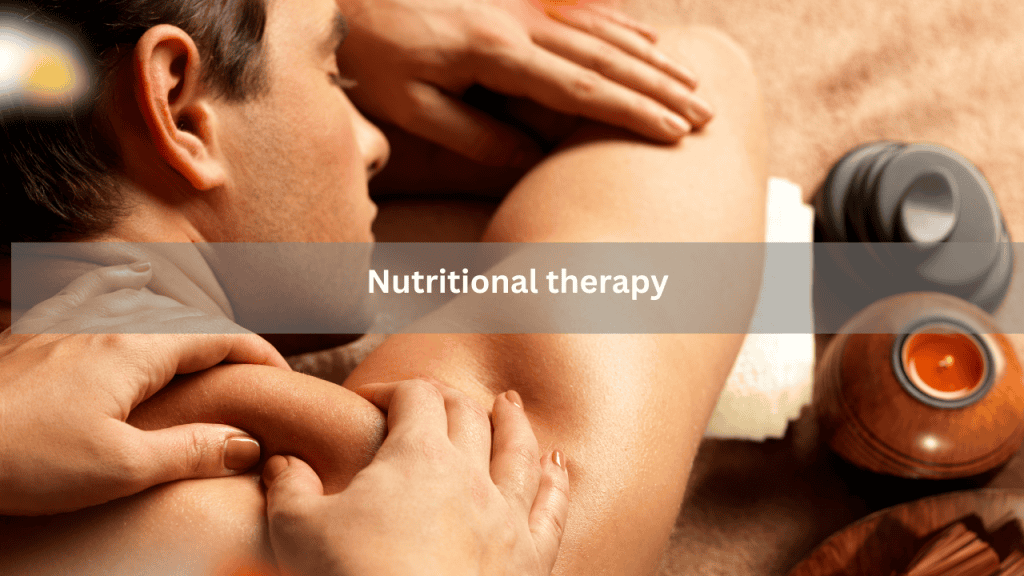
Nutritional therapy is another innovative aspect of many alternative recovery centers. Understanding the impact of diet on mental health, these centers often provide personalized nutrition plans to support physical health and detoxification. Balanced nutrition can improve mood, energy levels, and cognitive function, all of which are crucial during recovery.

In addition to these holistic practices, alternative recovery centers frequently emphasize the importance of community and social support. Many centers create a supportive environment where individuals can connect with others who share similar experiences. Group therapy sessions, workshops, and communal activities foster a sense of belonging and encourage open dialogue, which can be instrumental in building trust and accountability.

Personalized care is a cornerstone of alternative recovery centers. Unlike one-size-fits-all approaches, these centers tailor treatment plans to each individual’s unique needs and circumstances. This personalized approach often involves one-on-one counseling, individualized goal setting, and the development of a customized recovery plan. By addressing specific challenges and leveraging personal strengths, alternative recovery centers aim to enhance the effectiveness of treatment and support long-term success.

The focus on integrative therapies and holistic practices also extends to the involvement of family and loved ones. Many alternative recovery centers offer family counseling and educational programs to help families understand addiction and support their loved ones in recovery. This inclusive approach recognizes the crucial role that family dynamics play in the recovery process and seeks to build a supportive network around the individual.

Success stories from alternative recovery centers highlight the efficacy of these innovative approaches. Many individuals who have struggled with traditional treatments find renewed hope and progress through alternative methods. Testimonials often emphasize the positive impact of holistic therapies, personalized care, and community support on their recovery journey.

In conclusion, alternative recovery centers represent a progressive shift in the field of rehabilitation, offering innovative approaches that prioritize holistic healing, personalized care, and integrative therapies. By addressing the full spectrum of an individual’s needs and fostering a supportive environment, these centers are redefining the path to recovery and providing new opportunities for those seeking lasting change. As the understanding of addiction and mental health continues to evolve, alternative recovery centers are likely to play an increasingly important role in shaping the future of rehabilitation.

Innovative Approaches to Wellness and Recovery

The journey to wellness and recovery, particularly for those overcoming addiction or mental health challenges, is multifaceted and deeply personal. Traditional methods of treatment such as therapy, medication, and support groups remain vital, but an increasing number of innovative approaches are emerging, offering holistic and personalized paths to healing. These new methods integrate physical, emotional, mental, and spiritual aspects, providing comprehensive support for individuals striving for recovery.

Mindfulness-Based Stress Reduction (MBSR)

Mindfulness-Based Stress Reduction (MBSR) is a structured program that combines mindfulness meditation and yoga. Developed by Jon Kabat-Zinn, MBSR teaches participants to cultivate awareness and presence in the moment. This practice helps individuals manage stress, anxiety, and depression, which are often underlying issues in addiction and mental health disorders. By focusing on the present, participants learn to observe their thoughts and emotions without judgment, reducing the impact of negative thinking patterns and promoting emotional resilience.

Art and Music Therapy

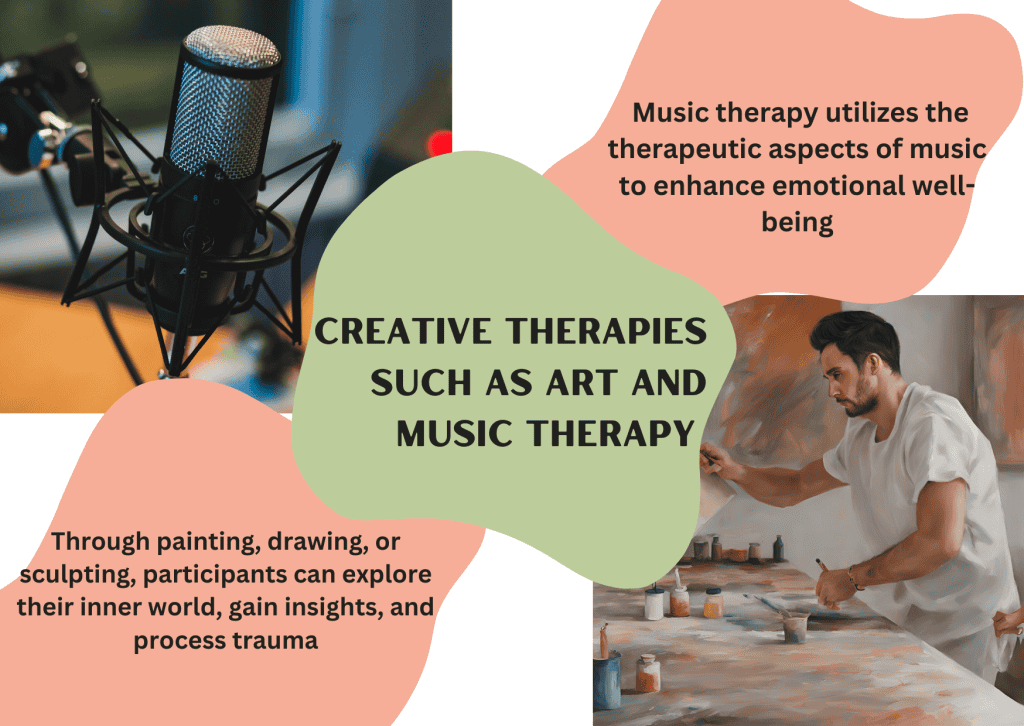
Creative therapies such as art and music therapy have gained popularity as effective tools for recovery. Art therapy allows individuals to express emotions and experiences that may be difficult to articulate verbally. Through painting, drawing, or sculpting, participants can explore their inner world, gain insights, and process trauma. Similarly, music therapy utilizes the therapeutic aspects of music to enhance emotional well-being. Listening to, creating, or performing music can reduce stress, improve mood, and foster a sense of connection and purpose.

Equine-Assisted Therapy

Equine-assisted therapy involves interactions with horses to promote emotional and psychological healing. Working with horses requires individuals to be present and focused, fostering mindfulness and reducing anxiety. The non-judgmental and responsive nature of horses helps individuals develop trust, empathy, and self-awareness. This therapy is particularly effective for those with a history of trauma, as it provides a safe space to explore emotions and build healthy relationships.

Virtual Reality Therapy

Virtual Reality (VR) therapy is an emerging technology that offers immersive experiences for therapeutic purposes. In VR therapy, individuals can confront and process traumatic memories in a controlled and safe environment. For those with phobias or anxiety disorders, VR can simulate real-life scenarios, allowing participants to practice coping strategies and build confidence. VR therapy is also being used to treat addiction by exposing individuals to triggers and teaching them to manage cravings effectively.

Nutritional Therapy

The role of nutrition in mental health and recovery is increasingly recognized. Nutritional therapy focuses on restoring physical health through a balanced diet, addressing deficiencies, and promoting overall well-being. Proper nutrition supports brain function, stabilizes mood, and enhances energy levels, all of which are crucial for recovery. Personalized nutritional plans can help individuals understand the connection between diet and mental health, empowering them to make informed choices that support their healing journey.

Adventure Therapy

Adventure therapy combines physical activity with therapeutic practices in outdoor settings. Activities such as hiking, rock climbing, and canoeing challenge individuals physically and mentally, fostering resilience, self-confidence, and teamwork. Being in nature has inherent healing properties, reducing stress and promoting a sense of calm. Adventure therapy encourages participants to step out of their comfort zones, build trust, and develop problem-solving skills, all of which are valuable for recovery.

Innovative approaches to wellness and recovery are transforming the landscape of treatment, offering holistic and personalized options that address the diverse needs of individuals. Mindfulness-based practices, creative therapies, equine-assisted therapy, virtual reality, nutritional therapy, and adventure therapy provide comprehensive support, promoting healing on multiple levels. By integrating these innovative methods into traditional treatment plans, individuals can access a wider range of tools and strategies, enhancing their journey towards lasting wellness and recovery. As the understanding of wellness evolves, these innovative approaches will continue to play a crucial role in helping individuals achieve and maintain their well-being.

Thinking Outside the Box for Addiction Rehabilitation

When it comes to addiction rehabilitation, traditional methods often involve counseling, medication, and group therapy. However, for some individuals, these approaches may not yield the desired results or resonate with their personal needs. In such cases, thinking outside the box becomes essential in exploring alternative avenues for recovery.

One unconventional approach gaining traction in recent years is adventure therapy. This method involves engaging individuals in outdoor activities such as hiking, rock climbing, and wilderness retreats to promote personal growth and self-discovery. Adventure therapy emphasizes teamwork, problem-solving, and building resilience, all of which are crucial in overcoming addiction.

Another innovative approach is art therapy, which harnesses the creative process to explore emotions, reduce stress, and improve self-esteem. Through painting, sculpting, or other forms of artistic expression, individuals can delve into their inner thoughts and experiences, gaining insights into their addictive behaviors and finding healthier coping mechanisms.

Similarly, music therapy offers a unique way to connect with emotions and foster healing. Whether through listening, playing instruments, or songwriting, music can evoke powerful emotions and serve as a therapeutic outlet for processing trauma and promoting emotional well-being.

Mindfulness and meditation practices have also become integral components of alternative addiction rehabilitation programs. By cultivating present-moment awareness and acceptance, individuals can develop greater self-awareness, regulate their emotions, and reduce cravings. Mindfulness-based techniques teach individuals to observe their thoughts and feelings without judgment, empowering them to make healthier choices in their recovery journey.

Furthermore, holistic approaches that address the mind, body, and spirit are gaining popularity in addiction rehabilitation. These may include practices such as yoga, acupuncture, massage therapy, and nutritional counseling. By focusing on overall wellness and restoring balance in all aspects of life, individuals can experience profound transformations and sustain their recovery long-term.

In addition to these alternative modalities, peer support groups and community-based programs offer invaluable resources for individuals seeking recovery outside the traditional treatment setting. Peer support groups like Alcoholics Anonymous (AA) and Narcotics Anonymous (NA) provide a supportive network of individuals who share similar experiences and can offer empathy, encouragement, and practical advice.

Ultimately, the key to successful addiction rehabilitation lies in personalized, comprehensive care that addresses each individual’s unique needs and preferences. By thinking outside the box and exploring alternative approaches, individuals can discover new paths to recovery that resonate with them on a profound level, paving the way for lasting transformation and healing.

The Spiritual Aspects of Recovery

The recovery process can be lengthy and difficult. It involves confronting deep-seated issues that have been ignored or put aside, and can result in uncertainty and fear. It helps to understand the spiritual aspects of recovery to gain the confidence and strength needed to complete the journey.

The two main spiritual aspects of recovery are grace and self-reliance. The grace of a higher power can be a source of strength and comfort for those going through the recovery process. This idea is not exclusive to any particular religion, as all faiths recognize grace as an extension of love from a higher power that is beyond what we can understand. As someone struggling towards a state of recovery, this grace can provide a sense of confidence and comfort, particularly when times seem particularly difficult.

The second spiritual aspect of recovery is self-reliance. This entails understanding that the responsibility for recovery rests on the individual and that every decision made is ultimately their own. Learning to rely on one’s own strength can be difficult, and this is where the grace of a higher power can aid in the process. With the assurance that the universe has got one’s back, there is an increased confidence in one’s own ability to succeed. Knowing that the only one capable of changing a person’s life is them can bring a deep sense of comfort and hope that is essential in recovery.

One of the biggest challenges of the recovery process is connected to trust. It can be difficult to trust oneself or trust one’s higher power, and this can often lead to the feeling of resistance. The opposite of trust is fear, which colors the way a person perceives themselves, the work needed and the thought of the future. Furthermore, fear also stops a person from reaching out and asking for help. By utilizing both the idea of grace and self-reliance, and focusing on the positive reinforcements of these aspects, it can help to replace the fear with inspiration and trust, essential for recovery.

By embracing both grace and self-reliance in the recovery process, there is a greater chance that one can come out of the process as a stronger individual. With grace as an inspiration, and self-reliance as a reminder that the individual holds the power over their own life, the journey of recovery can be aided and there can be a greater appreciation for one’s own strength and soul. Spirituality is an integral part of the recovery process and can provide essential strength and guidance.

The Positive Effects of an Alternative Recovery Center

In recent years, the rate of addiction-related deaths has skyrocketed. As such, it’s clear that individuals in need of help with substance abuse require far more than traditional treatment methods. That’s why alternative recovery centers have become an increasingly important source of support and rehabilitation for those looking to break free of their addiction.

Alternative recovery centers can offer a range of services, including therapy in both group and individual settings, medication-assisted treatment, dual-diagnosis treatment for mental and physical health conditions, and holistic healing, such as yoga and meditation. While the primary focus of these centers may vary, they are all designed to help those in need of assistance with substance abuse.

Although some may view alternative recovery centers as a sign of increasing desperation, these centers can provide something much more valuable than the traditional methods of recovery. At alternative recovery centers, the emphasis is on the psychosocial elements that can’t be found in traditional settings. There is an emphasis on support and understanding that is often unspoken and unknown in recovery centers which are more focused on the medical or mental aspects.

The support that one can receive from an alternative recovery center can be incredibly beneficial. At these centers, individuals will feel heard and they are allowed to share their stories openly with no fear of judgment. Furthermore, the type of services offered can also provide more meaningful and individual care than is possible in a traditional outpatient setting.

The majority of individuals who are given a chance at rehab in traditional settings fall back into their old habits because they don’t have an adequate support system in place. However, alternative recovery centers provide that sense of community and togetherness that can be lacking in inpatient care which often leads to greater success in recovery.

Alternative recovery centers also give those in treatment more control over the situation. Individuals are allowed to take a hands-on approach to their rehabilitation, as opposed to being told to just follow the rules. Not only can this assist with overcoming addiction and mental health issues that may be present, but it also encourages individuals to find their own path to recovery and build a better life for themselves.

In addition to all of this, alternative recovery centers tend to provide a more relaxed and comfortable atmosphere than a traditional treatment center. This means that the clients will feel more at ease and open to the healing process. Additionally, therapies offered at these centers are generally designed to complement each other, meaning individuals can take a holistic approach to their rehabilitation.

Finally, the focus on multiple aspects of recovery and the comfort found in an alternative recovery center can help those in need gain more confidence in themselves and learn to think positively. This form of self-confidence is key to maintaining sobriety and developing the skills and understandings needed to build a better life.

Overall, alternative recovery centers are vitally important to those who are struggling with addiction. The healing process found in these centers not only focuses on the medical and mental aspects of addiction, but also encourages individuals to take proactive steps towards creating a better, more meaningful life for themselves. With such a comprehensive approach to treatment, alternative recovery centers can make a real, lasting impact on an individual’s life.

Is There Hope?

When people are fighting an addiction, it can seem hopeless—like there’s no escape from whatever they’re dealing with. But while addiction is a hard and often devastating battle, there is hope. Alternative help for suffering in addiction can provide relief and healing, even when traditional methods like rehab do not work the way they should.

The first type of alternative help that can be beneficial in treating addiction is holistic treatments. These involve considering not just physical symptoms and ailments, but the mental, emotional, and spiritual self as well. Holistic treatments can be useful in treating the underlying causes of addiction, such as stress, anxiety, low self-esteem, trauma, or depression. Research has shown that many of these holistic treatments, such as yoga, massage therapy, and acupuncture, can help to reduce cravings and withdrawal symptoms and make long-term recovery more achievable.

Another form of alternative help for suffering in addiction is mindfulness. Mindfulness can help people become aware of and observe their thoughts and feelings without judgment or criticism. Mindfulness techniques can also help people stay focused in the present moment, which can help them to remain focused on their recovery.

The third type of alternative help for suffering in addiction is art therapy. Art therapy can provide a creative outlet for people to express their emotions and feelings without the fear of judgment or criticism. Art therapy can also be used to explore their inner feelings and gain an insight into themselves. Art therapy can provide relief and healing for those struggling with an addiction and can be a great tool for recovery.

Finally, there are also self-help groups. These groups provide a safe and supportive community for those struggling with addiction. Members can discuss their struggles openly with each other and find support from those who understand what they’re going through.

No matter what type of help is being sought, there is hope for recovery from addiction. With the right attitude and a willingness to try something new, alternative help for suffering in addiction can provide relief and healing to those struggling with this difficult condition.

Whether it is holistic treatments, mindfulness, art therapy, or self-help groups, each type of alternative help offers its own unique way of managing symptoms and making long-term recovery more achievable. While addiction is a difficult battle, the good news is that there is hope—hope that comes in the form of alternative help for those who are suffering in addiction.

Avoiding the Wrong Crowd in a Recovery Center

Avoiding the Wrong Crowd in a Recovery Center

Every year, thousands of people suffering from addiction turn to recovery centers for help. For many of these individuals, recovery centers are the last resort. They are looking for support, guidance and the chance of a new life. Unfortunately, finding the right recovery program isn’t always easy and one often runs the risk of becoming part of the wrong crowd. Here are 5 tips on how you can avoid the wrong crowd in a recovery center.

Do Your Research

Before settling on a recovery center, make sure you do your homework. Research the center’s philosophy and programs and look for feedback from past patients. Get as much information as possible and use it to make an informed decision.

Look for Similar Philosophies

Once you’ve identified a few centers, take the time to look for a philosophy and set of beliefs that is similar to yours. Different centers will have different approaches and levels of intensiveness. This should inform your decision on which center you eventually choose.

Be Active in The Process

Once you’ve chosen a center, be an active participant. Many times, the wrong crowd can be identified very quickly. Don’t be afraid to ask questions or challenge those who are leading group discussions. Be clear that you are there to recover and not be a part of a certain group or mentality.

Be Assertive

Assertiveness is key. You have to be able to hold your ground and stick to your beliefs. If you find yourself getting influenced by the wrong crowd, speak up. Don’t be afraid to tell those individuals that you do not agree with their practices.

Find a Mentor

Finally, having someone you can trust and count on throughout the recovery process is key. A mentor or sponsor can help you stay focused on your sobriety and learn to identify and deal with negative influences. Make sure to reach out for help if you find yourself struggling.


At the end of the day, the most important step in avoiding the wrong crowd in recovery centers is to be aware of potential pitfalls beforehand. You might have to take the time to make the right choice and prepare yourself for the challenges to come. Remember that your recovery depends on the decisions you make and if you stay focused and dedicated, you can avoid the wrong crowd and stay on the path to sobriety.