Recovery from addiction is a challenging activity. It is not easy having to switch from someone who regularly takes alcohol or drugs, to someone who is totally sober. The withdrawal symptoms that come with this are also unpleasant, and this is why many people cannot remain sober for long.
When you are seeking addiction treatment help, there are some crucial things you should avoid
- Hanging out with people who can trigger your addiction
Usually, when you are in addiction recovery, one of the recommendations that health professionals would give is for you not to stay around people who can make you return to your old habits. When you hang around such people, there is a chance that you will pick up your addiction habits.
It is advised to stay around sober friends who will spur you on to recovery. With sober friends, you will not feel left out when your old friends indulge in those habits.

- Being in a hurry
It is important to mention that addiction treatment is a gradual process. When you try to rush the program, you might end up relapsing. You need to take each day, one step at a time to ensure that your recovery is not half-baked.
- Trying to do it alone
No one really defeats addiction all by themselves. Addiction is a powerful brain disorder that needs the help of therapists and health professionals to pull through. Hence, if you feel that you can do it all by yourself, you will end up picking your addictions again.
It is advised to remain within the care of health professionals that can nurse you back to sobriety.
- Thinking that you are okay
It is dangerous to feel relaxed when you are done with your addiction treatment program. Even though you don’t feel like going back to your addiction, you should not feel too comfortable. Some people still relapse after their recovery program because they felt at ease and they did not put the necessary measures in place.


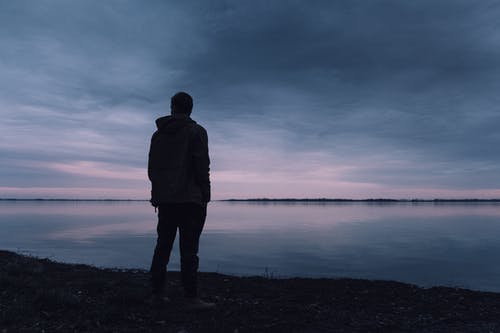
 One of the emotions that victims of addiction often experience is hopelessness. This is particularly true after a relapse or slip. After days, weeks or months of sustained recovery, the addict may find themselves using again. All of the effort at change and recovery seems to have been wasted. Just when you thought you were making some real progress in your recovery, you end up back in the same old self-destructive behavior pattern. It is often at times like this that the victim of addiction begins to wonder if they will ever be free of their drug of choice.
 When they hear about 12 step programs, many people assume it is a reference to Alcoholics Anonymous. This isn’t surprising, since a majority of 12 step programs are directed towards alcoholics. More and more, however, 12 step groups for victims of drug addiction have become more popular. Groups such as Narcotics Anonymous (NA) can now be found in more and more areas. Similar groups such as Smart Recovery are also becoming more prevalent. The genius of these groups is that they provide a mutually supportive environment for people who are struggling with addiction. Professional treatment of various kinds is available, but access is limited. Generally speaking, you can’t just call up your counselor when you are having a difficult craving. 12 step programs, on the other hand, encourage you to have a sponsor, somebody who is willing to speak to you anytime day or night. In fact, many sponsors expect their sponsees to check in on a daily basis. This creates an element of accountability, a great resource for those struggling with addiction. In simpler terms, the sponsor-sponsee relationship keeps the victim of addiction from excusing their behavior. The sponsor has been there and knows all about the danger of making excuses.
 n can get treatment. That’s a lot of places. For obvious reasons, metropolitan areas are more likely to have a n
 looking for a thrill of some kind. Naturally, drugs provided a feeling of euphoria or excitement. Some people claim that they can think more clearly when they are high. Many people begin using drugs medically to manage chronic pain. Whatever the particular reason, most people begin using drugs because they like the way they feel when they are using. Unfortunately, drugs are actually a trap, not an escape.